- Guida turistica
- Accessibilità
- Vietato fumare
- Animali ammessi
- Parcheggio
Descrizione
“Fayrouz of devil”
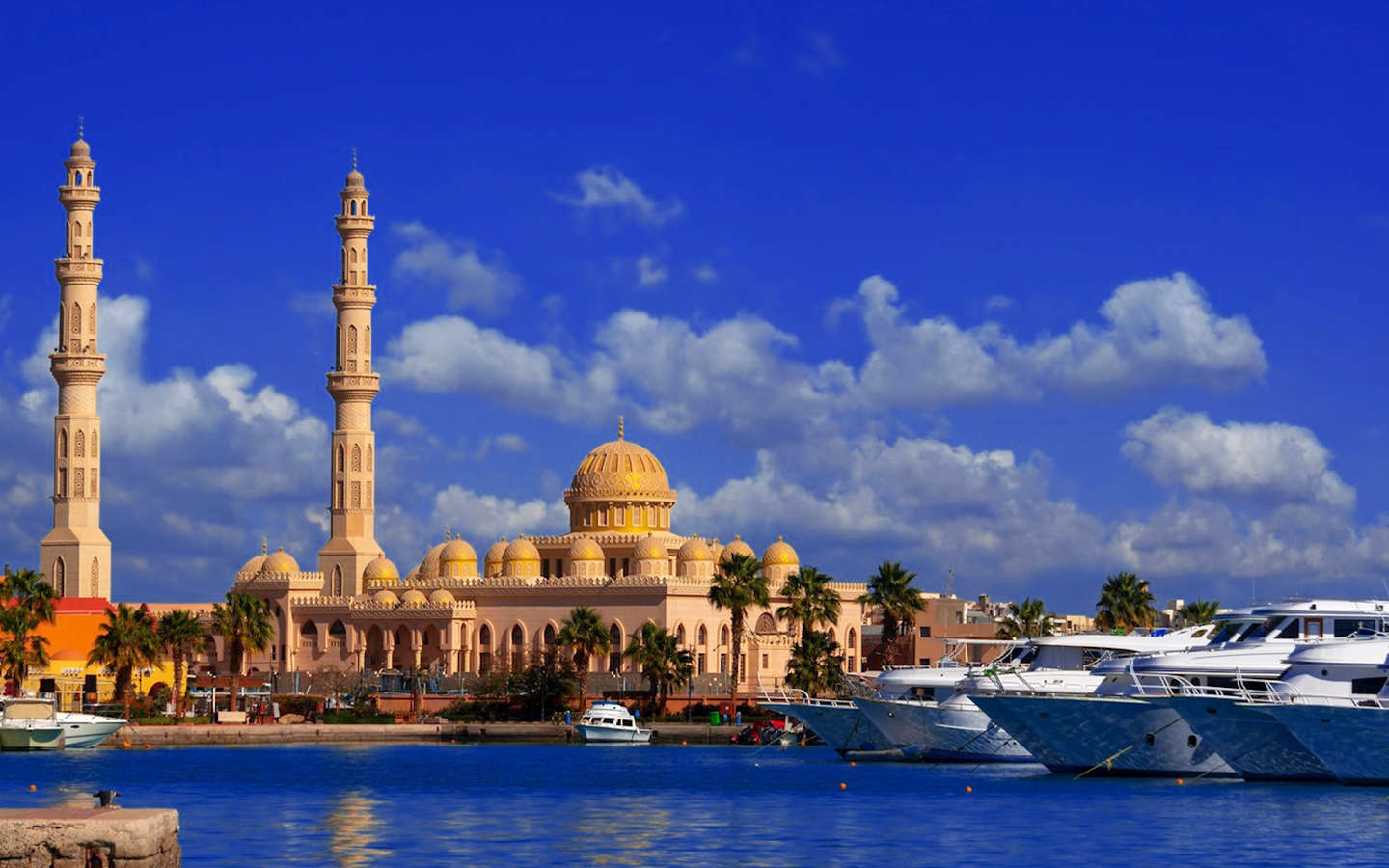
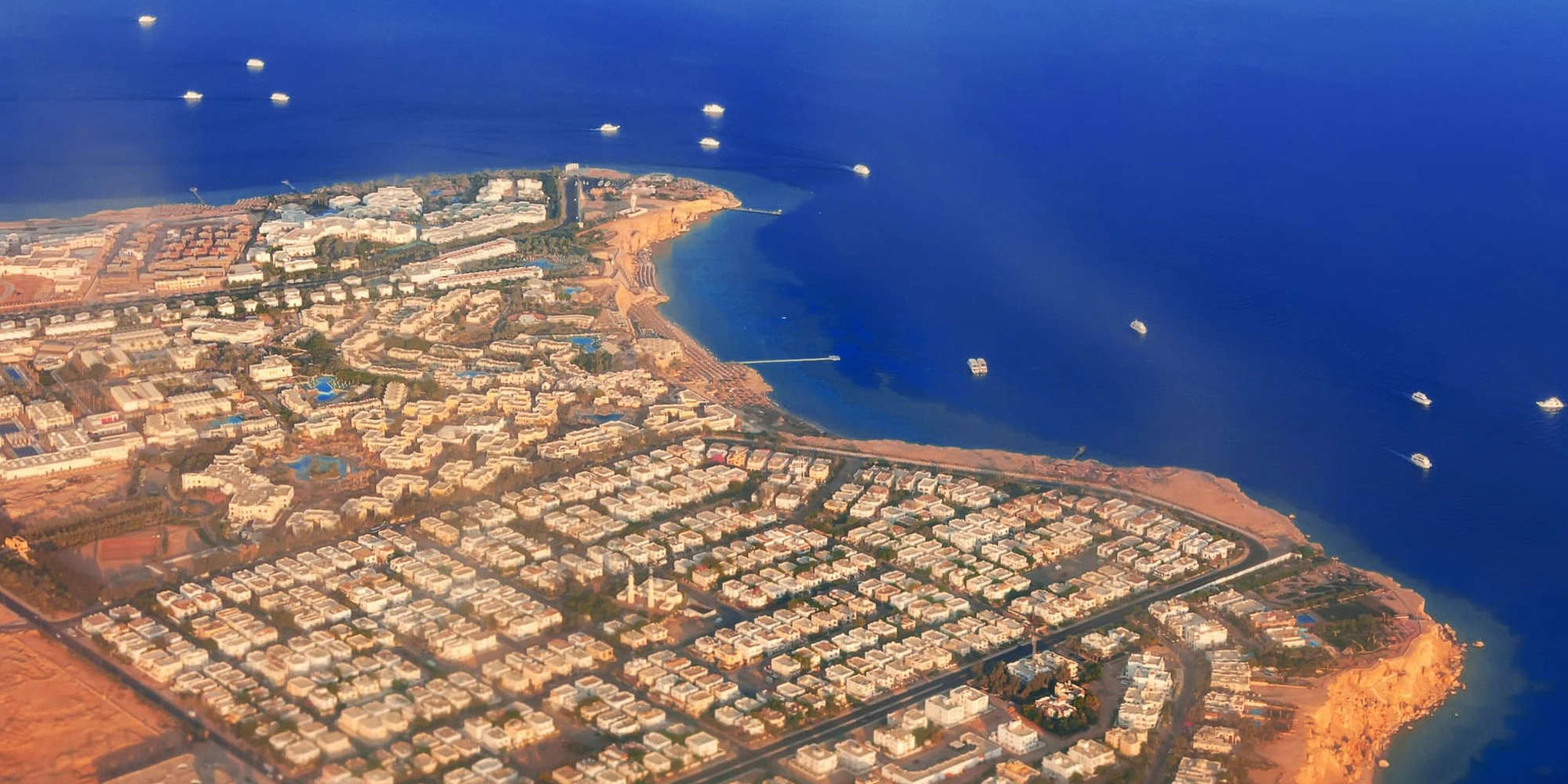
Hurghada was named by this name because of the spread of a plant called “Gurgada”, which is known as “Grape El Dib” or “Fayrouz of devil”, a plant that grows naturally. At a large tree of the Hurghada plant, this place is currently the seaport of Hurghada.
The city of Hurghada was established in 1905. In the past, the city included only a group of primitive houses inhabited by Bedouins, who were mainly stationed in the Sakala area to work in fishing and pearling, which gave the city a continuous Bedouin character with it until now. Oil was discovered in that area in 1913. In 1972, the Israeli forces tried to occupy Shadwan Island, but the Bedouin tribesmen confronted them and managed to defeat and expel them from the island within hours in what is known as the Battle of Shadwan, which is the date on which the Red Sea governorate celebrates its national holiday.
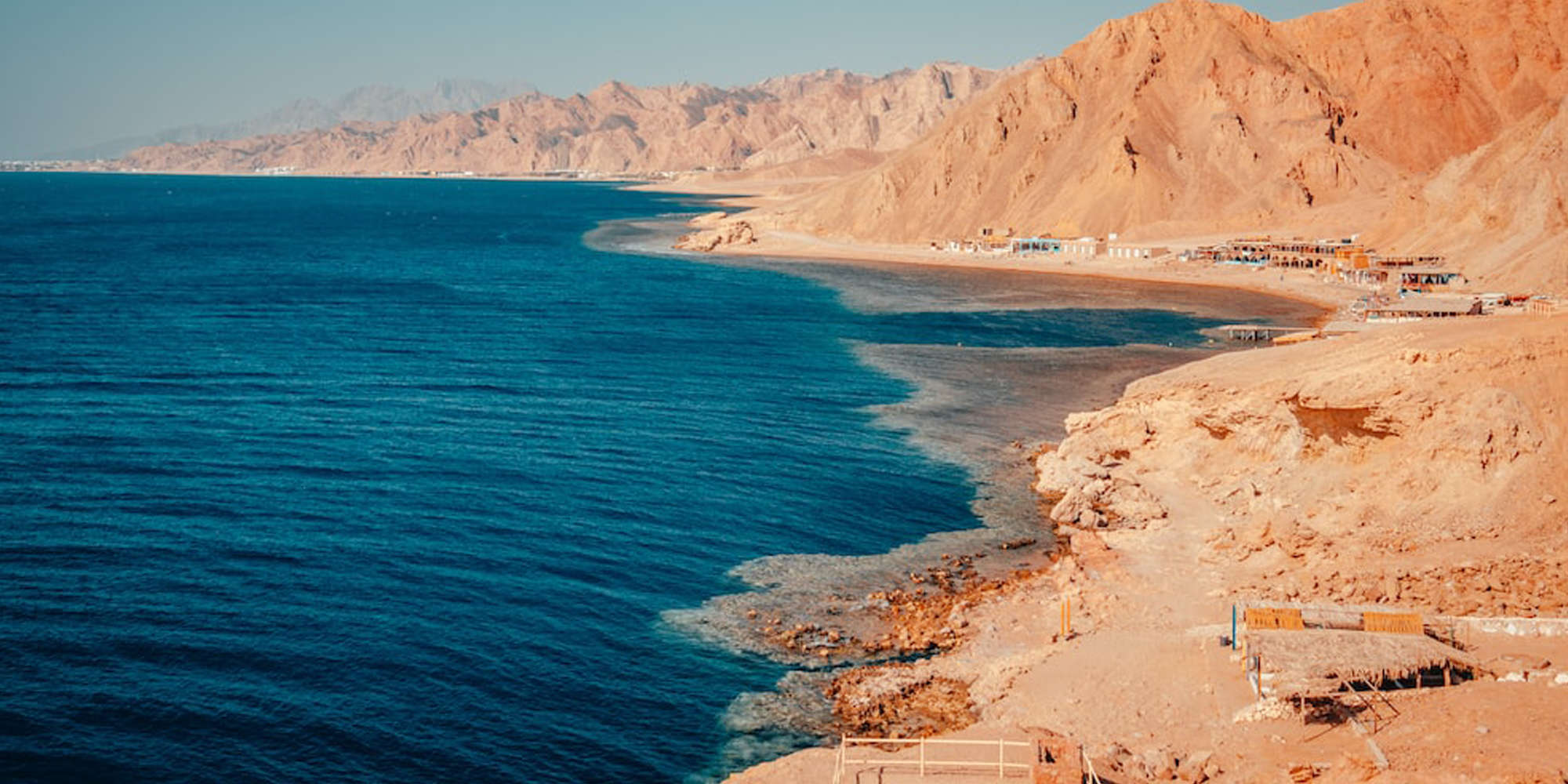
It is the administrative capital of the Red Sea Governorate and occupies an area of 40 km from the coast of the western shore of the Red Sea. It is bordered to the north by the city of Ras Ghareb, to the south by the city of Safaga, to the east by the Red Sea coast, and to the west by the Red Sea mountain range. It contains the Giftun Islands, Umm Qamar, Magawish, Abu Ramada, Abu Minqar, Fanadir, and Shadwan. Among its most famous resorts are El Gouna, Sahl Hasheesh, Soma Bay, and Makadi Bay. Its main neighborhoods are al-Dahar neighborhood, al-Sakkala neighborhood, and al-ahiaa neighborhood.
Galleria Destinazioni
Storico Escursioni
Safari Escursioni
Nautico Escursioni
Familiare Escursioni
Scopri di più Attività
Puoi controllare Altre attività e tour disponibili potrebbero essere adatti a te.
Hurghada